
Neuroscience: The Brain in Addiction and Recovery National Institute on Alcohol Abuse and Alcoholism NIAAA
The study further found that men exhibit a greater release of dopamine when they drink than women. As a result, people with an alcohol addiction may consume even more alcohol in an unconscious effort to boost their dopamine levels and get that spark back. Dopamine also activates memory circuits in other parts of the brain that remember this pleasant experience and leave you thirsting for more. But over time, alcohol can cause dopamine levels to plummet, leaving you feeling miserable and desiring more alcohol to feel better. Over time, your brain’s structure and function change, leading to tolerance, meaning you may require higher amounts of alcohol to achieve the desired effects.
Substance Abuse Treatment Programs
- In people assigned male at birth, alcohol consumption can decrease testosterone production and sperm quality.
- Male and female rhesus macaques (Macaca mulatta; 5.5–8.5 years old at study onset) obtained from the Oregon National Primate Research Center were used in the current studies.
- Alcohol has been described as a ‘favourite coping mechanism’ in the UK and is commonly used to try and manage stress and anxiety, particularly in social situations, giving us what’s sometimes called ‘Dutch courage’ [2].
- There, you will likely participate in education sessions, individual and group counseling, and behavior therapies.
Drinking profoundly alters mood, arousal, behavior, and neuropsychological functioning. The detailed necropsy procedures used to harvest tissues [28] and obtain ex vivo slices [8] have been previously described. A block containing the caudate and putamen was microdissected from the left hemisphere and sectioned with a VT1200S (Leica, Buffalo Grove, IL) in a sucrose cutting solution aerated with 95% O2/5% CO2 (see Supplementary Materials for composition). A ceramic blade (Camden Instruments Limited, Lafayette, IN) was used for sectioning 250 µm slices that were equilibrated at 33 °C for 1 h in equilibration ACSF before being moved to room temperature for an additional hour before beginning experiments. Male and female rhesus macaques (Macaca mulatta; 5.5–8.5 years old at study onset) obtained from the Oregon National Primate Research Center were used in the current studies.

Materials and methods
- You can speak to your GP, and get advice and help at You can also find further information and advice on our website.
- These factors include (1) the type of stimuli that activate dopaminergic neurons, (2) the specific brain area(s) affected by dopamine, and (3) the mode of dopaminergic neurotransmission (i.e., whether phasic-synaptic or tonic-nonsynaptic).
- The mechanisms underlying this dysregulation of dopamine transmission are not well understood, particularly in a primate brain.
- Open Access is an initiative that aims to make scientific research freely available to all.
You can speak to your GP, and get advice and help at You can also find further information and advice on our website. Although alcohol is often described as a ‘depressant’, that’s not quite the same as saying it will make you depressed. What alcohol does, though, is depress the body’s central nervous system – the system that lets our brain tell our body what to do.
x-on:slide-change.window=”currentIndex = $event.detail.currentIndex”
These findings were later corroborated by studies showing that rats favoured electrical stimulation in the same specific brain regions, over natural rewards [10]. The primary neurotransmitter regulating the rewarding sensation was determined to be dopamine [11]. Furthermore, the specific neuronal circuitries were progressively mapped with major projections from the ventral tegmental area (VTA) to the nucleus accumbens (NAc, i.e. the ventral striatum), the prefrontal cortex (PFC) and amygdala. Collectively, this network of neurons was denominated the mesocorticolimbic dopamine system [12, 13]. In addition, there are dopamine projections from the VTA to the amygdala and the hippocampus, respectively, involved in reward associative learning and declarative memory formation [15, 17].
Types of Recovery Support Groups
These results indicate that long‐term drinking attenuates the responsiveness of the system to external dopamine stimulation, in addition to decreasing baseline levels of dopamine. These results provided rational for a randomized placebo‐controlled clinical trial in alcohol‐dependent individuals. A series of experiments in outbred rats show that the dopamine stabilizer OSU6162 attenuates several alcohol‐mediated behaviours including voluntary alcohol intake, alcohol withdrawal symptoms and cue/priming‐induced reinstatement of alcohol seeking in long‐term drinking rats [196]. Furthermore, OSU6162 blunted alcohol‐induced dopamine output in the NAc of alcohol‐naïve rats [196], indicating that OSU6162 has the ability to attenuate the rewarding effects of alcohol. In contrast, a more recent microdialysis study conducted in long‐term drinking rats, showed that OSU6162, compared to vehicle‐pretreatment, had no significant effect on the alcohol‐induced dopamine peak [29].
- The characteristics of this disorder include loss of control over alcohol intake, impaired cognitive functioning, negative social consequences, physical tolerance, withdrawal and craving for alcohol.
- Excess alcohol use can also impair nutrient absorption in the small intestine and increase the risk of malnutrition.
- Dopamine alters the sensitivity of its target neurons to other neurotransmitters, particularly glutamate.
As early research failed to show that alcohol targeted a specific receptor, scientists speculated that alcohol non-specifically altered cell membranes. A gatekeeper, the cell membrane’s job is to regulate what goes in and out of a cell. Classification of drugs can be explained by their chemical targets within the brain. Depressants target a chemical called GABA, the primary inhibitory neurotransmitter within the brain. Unfortunately, some diseases can disturb the brain’s delicate balance of dopamine. Parkinson’s disease and certain metabolic disorders, for instance, can deplete dopamine.
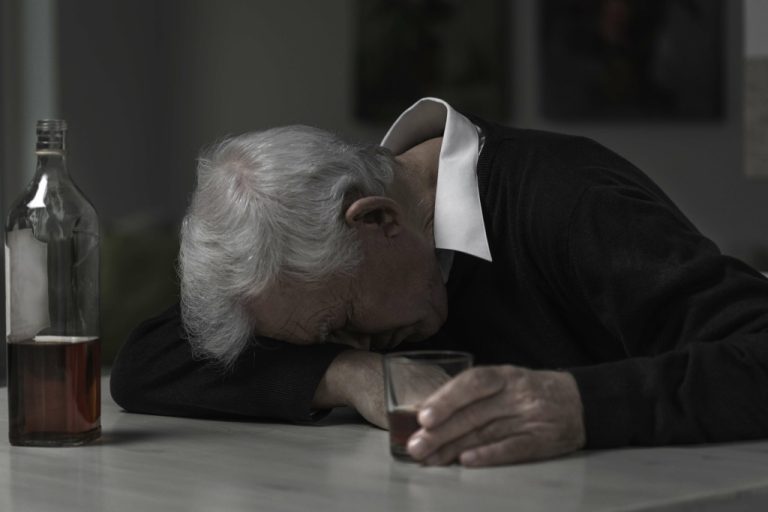
A partial agonist, such as aripiprazole, has a lower intrinsic activity at the receptor than a full agonist (e.g. dopamine), meaning that when it binds to the receptor, it will activate the receptor but produce a less potent biological response than the full agonist [175–177]. In the presence of high levels of the full agonist, a partial agonist will have functional antagonistic Top 5 Advantages of Staying in a Sober Living House activity by binding to the receptor and preventing the response from the full agonist. Partial dopamine D2 agonists, therefore, offer the opportunity to treat the dysregulated dopamine activity during acute alcohol consumption as well as alcohol dependence. A one-factor ANOVA with Tukey’s post hoc test was used to compare the average lifetime alcohol intake between cohorts.
Pain and reward circuits antagonistically modulate alcohol expectancy to regulate drinking
Many substances that relay signals among neurons (i.e., neurotransmitters) are affected by alcohol. Alcohol shares this property with most substances of abuse (Di Chiara and Imperato 1988), including nicotine, marijuana, heroin, and cocaine (Pontieri et al. 1995, 1996; Tanda et al. 1997). These observations have https://megapolisnews.com/top-5-advantages-of-staying-in-a-sober-living-house/ stimulated many studies on dopamine’s role in alcohol abuse and dependence, also with the intent of finding new pharmacological approaches to alcoholism treatment. This review summarizes some of the characteristics of dopaminergic signal transmission as well as dopamine’s potential role in alcohol reinforcement.


LEAVE A COMMENT